





Introduction: The Evolving Landscape of Employee Experience
In today’s competitive business environment, the concept of ‘Employee Experience’ (EX) has transcended HR buzzword status to become a strategic imperative. It encompasses every interaction an employee has with their organization, from the moment they first encounter the company as a candidate to their last day as an alumnus. A positive employee experience is not just about perks; it’s about creating an environment where individuals feel valued, supported, engaged, and empowered to do their best work.
Why does employee experience matter so profoundly? Because it directly impacts productivity, retention, innovation, and ultimately, a company’s bottom line. Organizations that prioritize EX see higher employee engagement, lower turnover rates, and a stronger employer brand. However, managing the myriad touchpoints that constitute the employee journey can be complex and time-consuming, especially for growing businesses.
This is where Human Resources Management Systems (HRMS) come into play. Modern HRMS platforms are no longer just administrative tools; they are powerful engines for cultivating an exceptional employee experience. By streamlining processes, enhancing communication, and providing intuitive self-service options, HRMS empowers employees and frees HR professionals to focus on strategic initiatives that truly make a difference in the employee experience.
What is an HRMS and How Does It Connect to Employee Experience?
An HRMS is a comprehensive suite of integrated software applications designed to manage all aspects of human resources. This typically includes modules for payroll, benefits administration, recruitment, onboarding, performance management, time and attendance, learning and development, and more. Traditionally, HRMS systems were seen as back-office tools, primarily benefiting HR departments by automating administrative tasks.
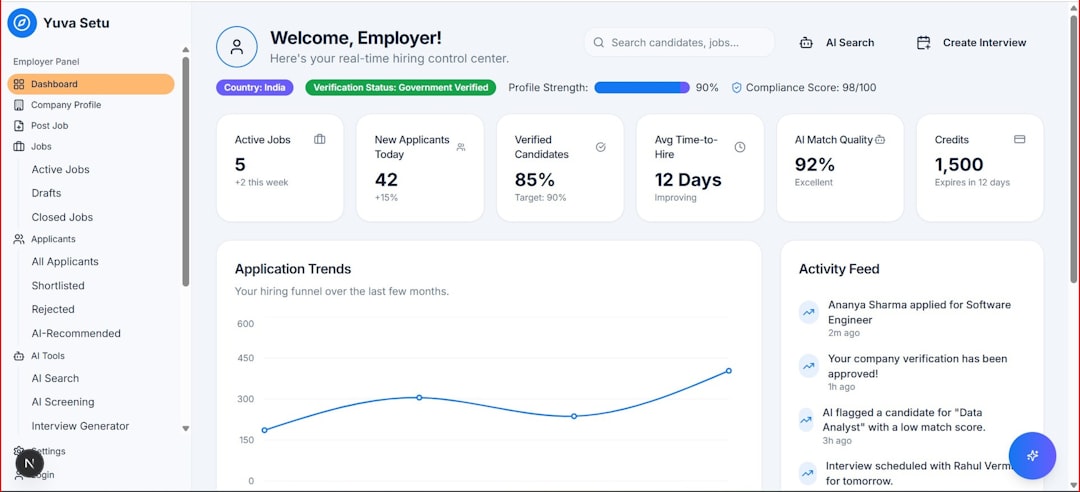
However, the paradigm has shifted. Today’s HRMS platforms are built with the employee at the forefront. They connect directly to the employee experience by providing transparent, accessible, and efficient ways for employees to interact with HR functions. When employees can easily manage their personal information, submit leave requests, access pay stubs, or track their performance goals through a user-friendly portal, their overall experience is significantly enhanced. This efficiency reduces frustration, builds trust, and allows employees to focus on their core responsibilities rather than administrative hurdles.
Streamlining the Employee Journey: An HRMS Perspective
A positive employee experience is built across the entire employee lifecycle. An HRMS acts as the central nervous system, connecting and optimizing each stage:
- Recruitment & Onboarding: The first impression is critical. An HRMS streamlines the application process, provides self-service onboarding portals for new hires to complete paperwork digitally, access company policies, and discover their team even before their first day. This creates a welcoming, efficient, and professional start, greatly enhancing the initial employee experience. For example, a new hire can complete all tax forms and benefits enrollment online, upload necessary documents, and even receive a personalized welcome message and training schedule, all through the HRMS.
- Performance Management: Gone are the days of annual, one-sided reviews. Modern HRMS integrates continuous feedback loops, goal setting, and performance tracking. Employees can easily monitor their progress against objectives, request and receive real-time feedback from managers and peers, and participate in development planning. This fosters a culture of transparency and growth, directly contributing to a better employee experience. Imagine an employee easily logging in to see their current project goals, update their progress, and request feedback from a colleague on a specific task.
- Learning & Development: Growth opportunities are a key driver of employee satisfaction. An HRMS can house a company’s entire learning catalog, making it easy for employees to discover relevant courses, track their completed training, and identify skill gaps. It personalizes learning paths, ensuring that professional development is accessible and aligned with individual career aspirations. For instance, an HRMS might suggest leadership training to an employee showing management potential or automatically enroll a team in required compliance courses.
- Compensation & Benefits: Transparency and ease of access to compensation and benefits information are crucial. HRMS platforms empower employees to view their pay stubs, manage their benefits enrollment (e.g., updating health insurance plans, changing dependents), and understand their total rewards package. This reduces inquiries to HR and gives employees control over their vital personal information. An employee can quickly log in to review their 401k contributions or adjust their medical insurance coverage during open enrollment, without needing to contact HR directly.
- Time & Attendance Management: Simplicity in managing work hours and leave requests significantly improves daily employee experience. An HRMS allows employees to clock in and out effortlessly, submit leave requests, and view their accruals from any device. Managers can approve requests quickly, ensuring seamless operations and clear communication. A practical example is an employee using a mobile app to clock in from a remote site or submitting a vacation request that is automatically routed for manager approval.
- Offboarding: Even the departure process contributes to the overall employee experience and employer brand. An HRMS helps streamline offboarding by managing exit checklists, collecting feedback through digital surveys, and ensuring a smooth transition. This respectful and efficient process leaves a positive lasting impression. Exit interviews can be conducted and responses anonymously analyzed through the HRMS, providing valuable insights for improving the experience of current employees.
Key HRMS Features That Elevate Employee Experience
While the overall integration of HR functions is powerful, specific features within an HRMS are particularly impactful for cultivating a positive employee experience:
- Employee Self-Service (ESS) Portals: This is perhaps the most significant feature for enhancing EX. ESS portals empower employees by giving them direct access to their HR information and the ability to manage various tasks independently. This reduces reliance on HR staff for routine inquiries, fostering a sense of autonomy and efficiency. Examples include updating contact information, changing tax withholdings, accessing company directories, requesting time off, or downloading pay stubs and tax documents at their convenience, 24/7.
- Intuitive User Interface (UI) and User Experience (UX): Just like consumer-grade applications, an HRMS should be easy, enjoyable, and intuitive to use. A clunky, complicated interface can frustrate employees and deter them from utilizing the system, negating its benefits. A well-designed UI/UX ensures quick adoption and consistent usage, making every interaction with the HRMS a positive one.
- Mobile Accessibility: In an increasingly mobile world, access to HR functions via smartphones and tablets is non-negotiable. Mobile accessibility allows employees to manage HR tasks on the go – whether it’s clocking in from a remote job site, checking a payslip during their commute, or approving a leave request from a manager while traveling. This flexibility is crucial for supporting work-life integration and improving the overall employee experience.
- Integrated Communication Tools: Modern HRMS often includes features that facilitate internal communication, such as company-wide announcements, news feeds, and even internal social networking capabilities. These tools help keep employees informed, foster a sense of community, and enable peer recognition, all contributing to a more connected and engaged workforce. An HRMS might feature a digital bulletin board for important company updates or a peer-to-peer recognition module where employees can publicly celebrate colleagues’ achievements.
- Analytics and Reporting: While primarily an HR function, robust analytics within an HRMS indirectly benefits employee experience by providing HR with data-driven insights. HR can identify trends in employee turnover, engagement levels, training needs, and overall satisfaction. This data allows organizations to proactively address issues, personalize interventions, and continuously refine their EX strategies. For example, by analyzing attendance data and employee feedback, HR might identify specific departmental stressors impacting well-being.
- Automation of Routine Tasks: By automating repetitive HR tasks like benefits enrollment, leave approval workflows, and data entry, HR professionals are freed from administrative burdens. This allows them to dedicate more time and resources to strategic initiatives that directly impact employee experience, such as developing talent programs, fostering culture, and providing personalized support.
Tangible Benefits of a Positive Employee Experience Powered by HRMS
Investing in an HRMS that prioritizes employee experience yields significant returns for organizations:
- Increased Engagement and Productivity: When employees feel valued, supported, and have easy access to the tools they need, they are more engaged in their work. This engagement translates directly into higher productivity and better business outcomes.
- Higher Retention Rates: A positive employee experience reduces frustration and increases job satisfaction, making employees less likely to seek opportunities elsewhere. This lowers recruitment costs and preserves institutional knowledge.
- Stronger Company Culture: HRMS tools that facilitate communication, recognition, and transparency contribute to a more positive, inclusive, and collaborative company culture.
- Improved Employer Brand: Companies known for their excellent employee experience attract top talent. A modern HRMS contributes to a reputation as an employer of choice, enhancing recruitment efforts.
- Better Employee Well-being: By reducing administrative stress, providing access to benefits information, and supporting career development, an HRMS can significantly contribute to the overall mental and physical well-being of employees.
Choosing the Right HRMS for Your Employee Experience Strategy
Selecting an HRMS is a significant decision. To ensure it effectively enhances your employee experience, consider the following:
- Assess Your Current Needs: Understand your organization’s specific challenges and what aspects of the employee journey need the most improvement. Involve employees in this assessment to gather their perspectives.
- Prioritize User-Friendliness and Mobile Access: If the system isn’t easy to use and accessible on mobile devices, adoption rates will suffer, and the intended improvements to employee experience won’t materialize.
- Consider Scalability and Integration Capabilities: Choose a system that can grow with your company and integrate seamlessly with other essential business tools (e.g., accounting software, CRM).
- Vendor Support and Training: Evaluate the vendor’s commitment to customer support and the availability of training resources to ensure a smooth implementation and ongoing usage.
Conclusion: Investing in Your People Through Technology
In the modern workplace, a superior employee experience is not a luxury but a necessity. It is the cornerstone of a thriving organization, driving engagement, productivity, and retention. Advanced HRMS software is no longer just an administrative convenience for HR departments; it is a powerful strategic tool that underpins and elevates every aspect of the employee journey.
By leveraging the comprehensive capabilities of an HRMS, businesses can create a transparent, efficient, and empowering environment where employees feel connected, valued, and equipped for success. Investing in the right HRMS is a direct investment in your most valuable asset – your people – ensuring a positive and productive future for your entire organization. Embrace HRMS not just for efficiency, but as a core component of your strategy to cultivate an outstanding employee experience.
Photo by UX Indonesia on Unsplash.