





Introduction
In today’s dynamic business landscape, effective employee management is not just an HR function; it’s a strategic imperative. Organizations face increasing pressure to optimize operational efficiency, ensure compliance, foster employee engagement, and cultivate a culture of growth. Manually handling the complexities of human resources can be time-consuming, prone to errors, and limit strategic foresight. This is where a robust Human Resources Management System, or HRMS, becomes indispensable.
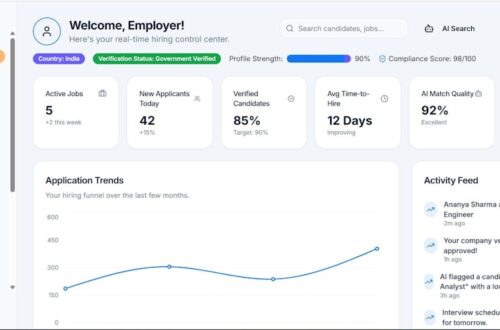
An HRMS is a comprehensive software solution designed to manage and automate various HR processes, from recruitment and onboarding to payroll, attendance, performance management, and employee development. Far from being just an administrative tool, a modern HRMS acts as the central nervous system of your workforce, empowering HR professionals to transition from reactive tasks to proactive, strategic initiatives. It consolidates critical employee data, streamlines workflows, and provides actionable insights, fundamentally transforming how businesses manage their most valuable asset: their people.
This article will explore the pivotal role of a modern HRMS in elevating employee management, detailing its core functionalities, practical benefits, and key considerations for successful implementation. We’ll delve into how an effective HRMS not only simplifies daily HR operations but also drives efficiency, boosts engagement, and contributes directly to organizational success.
The Core Pillars of HRMS in Employee Management
An HRMS integrates various HR functions into a single, cohesive platform, creating a seamless experience for both HR teams and employees. Understanding these core pillars is crucial to appreciating the transformative power of an HRMS.
Streamlined HR Administration
At its heart, an HRMS centralizes all employee-related data, moving away from fragmented spreadsheets and paper files. This includes personal details, contact information, job history, contracts, and more. With an HRMS, HR teams can easily update, retrieve, and manage employee records, ensuring data accuracy and accessibility.
- Example: When a new employee joins, their data is entered once into the HRMS. This single entry populates various modules, automatically creating their profile for payroll, benefits enrollment, and performance tracking. When an employee updates their address, it’s reflected across all relevant records immediately.
This streamlining significantly reduces administrative overhead, minimizes manual errors, and frees up HR personnel to focus on more strategic tasks.
Empowering Payroll and Benefits Management
Payroll processing is one of the most critical and often complex HR functions. An HRMS automates calculation of wages, salaries, taxes, deductions, and benefits contributions, ensuring accuracy and compliance with ever-changing regulations.
- Example: Employees can access their pay stubs, manage direct deposit information, and enroll in health insurance or retirement plans directly through an employee self-service portal within the HRMS. This reduces inquiries to HR and provides employees with greater control over their financial and benefit information.
By automating these processes, an HRMS eliminates the risk of costly errors, ensures timely payments, and builds trust with employees.
Revolutionizing Time and Attendance Tracking
Accurate time and attendance tracking are fundamental for payroll processing and compliance. A modern HRMS provides automated solutions for employees to clock in/out, submit leave requests, and track working hours. It eliminates the need for manual timesheets and reduces disputes.
- Example: An employee requests a vacation day through the HRMS. Their manager receives an instant notification, reviews the team’s schedule within the system, and approves the request digitally. The HRMS automatically updates the employee’s leave balance and flags it for payroll, all without a single paper form.
This automation not only ensures compliance with labor laws but also provides valuable insights into workforce productivity and overtime costs.
Enhancing Recruitment and Onboarding Journeys
From attracting top talent to integrating new hires, an HRMS can significantly elevate the entire recruitment and onboarding experience. Many HRMS platforms include or integrate with Applicant Tracking Systems (ATS) to manage job postings, candidate applications, screening, and interview scheduling.
- Example: A candidate applies for a position through the company’s career page, which is linked to the HRMS’s ATS. The system automatically screens resumes for keywords, schedules interviews, sends automated updates to candidates, and once hired, seamlessly transitions their application data into their employee profile for onboarding paperwork.
This functionality ensures a smoother, more engaging journey for candidates and a more efficient process for recruiters, leading to faster hires and better retention.
Fostering Performance and Development
An effective HRMS provides tools to manage performance reviews, set goals, track employee progress, and identify training needs. It moves performance management from an annual event to a continuous process.
- Example: Managers can set SMART goals for their team members within the HRMS, track progress through regular check-ins, conduct 360-degree feedback, and recommend specific training courses available through the system’s learning management module. This creates a clear path for employee growth and development.
By aligning individual performance with organizational objectives, an HRMS helps foster a culture of continuous improvement and professional development.
Boosting Employee Engagement and Experience
Modern employees expect a transparent and empowering work environment. An HRMS often includes employee self-service portals, internal communication tools, and recognition modules that contribute significantly to engagement.
- Example: Through the HRMS portal, employees can update their personal information, access company policies, view internal announcements, participate in surveys, or even send peer recognition badges. This empowerment fosters a sense of ownership and connection, improving overall job satisfaction.
By providing accessible resources and fostering better communication, an HRMS enhances the overall employee experience, making them feel valued and connected.
Practical Benefits of Effective HRMS Implementation
Beyond individual functionalities, a well-implemented HRMS delivers a multitude of overarching benefits that impact the entire organization.
- Increased Efficiency and Productivity: Automating routine, repetitive HR tasks frees up HR professionals to focus on strategic initiatives like talent development, succession planning, and culture building. This translates to time savings, reduced operational costs, and higher productivity across the HR department.
- Improved Data Accuracy and Compliance: Centralized data management significantly reduces errors associated with manual data entry. An HRMS also helps organizations stay compliant with complex labor laws, tax regulations, and industry-specific mandates by providing built-in reporting and audit trails.
- Enhanced Decision-Making with Analytics: An HRMS collects vast amounts of employee data. Its analytical capabilities transform this raw data into actionable insights, helping leaders make informed decisions about workforce planning, talent gaps, compensation strategies, and retention efforts. For instance, an HRMS can highlight trends in employee turnover or identify departments facing high overtime costs.
- Better Employee Retention and Satisfaction: By streamlining administrative processes, providing self-service options, supporting professional development, and fostering better communication, an HRMS contributes to a more positive employee experience. This, in turn, can lead to higher job satisfaction and improved employee retention rates.
- Scalability for Growth: As a company grows, its HR needs become more complex. A robust HRMS is designed to scale with your organization, easily accommodating new employees, expanding departments, and evolving business requirements without requiring a complete overhaul of HR systems.
Key Considerations for Choosing and Implementing an HRMS
Selecting and deploying an HRMS is a significant investment. Careful planning and consideration are essential for a successful implementation.
Define Your Needs
Before looking at solutions, clearly identify your organization’s specific HR challenges and objectives. What are your pain points? What processes do you need to automate? What features are essential versus nice-to-have? Prioritize your requirements to guide your selection process.
Scalability and Integration
Choose an HRMS that can grow with your company. Ensure it has the flexibility to add modules or expand functionality as your needs evolve. Critically, verify its ability to integrate seamlessly with your existing systems, such as accounting software, enterprise resource planning (ERP) platforms, or CRM tools, to avoid data silos and ensure a unified operational view.
User Experience (UX)
An HRMS is only as good as its adoption rate. Opt for a system with an intuitive, user-friendly interface for both HR administrators and employees. A poor UX can lead to frustration, errors, and resistance to change, undermining the investment.
Vendor Support and Security
Evaluate the vendor’s reputation for customer support, training, and ongoing maintenance. Data security is paramount; ensure the HRMS provider adheres to the highest standards of data protection, compliance, and privacy regulations (e.g., GDPR, HIPAA).
Phased Implementation
Resist the urge to implement all HRMS modules at once. A phased approach, starting with core functionalities like employee data management and payroll, allows your team to adapt gradually, troubleshoot issues, and gain confidence before rolling out more complex features.
Training and Change Management
Invest in comprehensive training for all users, from HR professionals to every employee who will interact with the self-service portal. Develop a clear change management strategy to communicate the benefits of the new HRMS, address concerns, and ensure a smooth transition.
The Future of HRMS in Employee Management
The evolution of HRMS is far from over. Future advancements promise even more sophisticated tools to manage the workforce.
- AI and Machine Learning: Artificial intelligence will enhance HRMS capabilities through predictive analytics (e.g., forecasting employee turnover), intelligent chatbots for employee queries, automated resume screening, and personalized learning recommendations.
- Mobile-First Solutions: The demand for anytime, anywhere access will continue to drive mobile-first HRMS development, allowing employees and managers to perform HR tasks seamlessly from their smartphones or tablets.
- Personalized Employee Experiences: Future HRMS platforms will leverage data to offer highly personalized experiences, from tailored benefits packages and career development paths to customized content and communication.
- Focus on Employee Well-being: HRMS will increasingly integrate tools for mental health support, wellness programs, and work-life balance initiatives, reflecting a holistic approach to employee management.
Conclusion
In conclusion, an effective HRMS is no longer a luxury but a fundamental necessity for any organization aiming for strategic employee management. It transforms complex, time-consuming HR processes into streamlined, efficient workflows, providing a single source of truth for all employee data. By empowering HR professionals with robust tools for administration, payroll, recruitment, performance, and engagement, an HRMS frees them to focus on cultivating a thriving workforce that drives innovation and achieves business objectives.
The strategic implementation of a modern HRMS not only boosts operational efficiency and ensures compliance but also significantly enhances the overall employee experience, leading to greater job satisfaction and retention. As businesses continue to navigate the complexities of the modern workforce, embracing an advanced HRMS will be key to unlocking human potential and securing a competitive edge in the digital age. Investing in the right HRMS is investing in the future success of your organization and the well-being of your most valuable assets.
Photo by Christina @ wocintechchat.com M on Unsplash.