







Introduction: The Foundation of a Great Employee Journey
Employee onboarding is far more than just signing paperwork and getting a new badge. It’s the critical first impression a new hire has of your company, setting the tone for their entire tenure. A well-executed onboarding process can significantly impact employee engagement, productivity, and retention, while a poor one can lead to early disengagement and high turnover rates. In today’s competitive talent landscape, organizations are increasingly recognizing the strategic importance of creating a seamless, engaging, and efficient onboarding experience.
However, many companies still grapple with manual, disjointed, and time-consuming onboarding processes. This is where modern Human Resources Management Systems (HRMS) come into play. An HRMS offers a powerful solution to transform the traditional approach to employee onboarding, automating administrative tasks, centralizing information, and creating a personalized experience for every new hire. By leveraging technology, businesses can move beyond mere compliance to truly integrate new employees into their culture and operations effectively.
The Challenges of Traditional Employee Onboarding
Before diving into the solutions, it’s crucial to understand the common pitfalls of traditional employee onboarding:
- Administrative Overload: HR teams are often buried under a mountain of paperwork, including offer letters, tax forms, benefits enrollment, and policy acknowledgements. This manual data entry is prone to errors and consumes valuable time.
- Disjointed Information & Poor Communication: New hires often receive information piecemeal from various departments (HR, IT, managers), leading to confusion and a lack of a clear, unified message. Communication can be inconsistent, leaving new employees feeling lost.
- Lack of Personalization: A one-size-fits-all approach fails to address the unique needs and roles of different employees, making the experience feel impersonal and less impactful.
- Compliance Risks: Manually managing compliance documents and training can lead to missed deadlines or incomplete records, exposing the company to potential legal and regulatory risks.
- Slow Time-to-Productivity: When new hires spend their first weeks navigating bureaucracy instead of learning their role, their time-to-productivity is significantly extended, impacting team and organizational performance.
- Negative First Impressions: A disorganized or frustrating onboarding experience can lead to early disengagement, higher stress levels for new hires, and ultimately, increased attrition.
These challenges highlight the urgent need for a more structured, efficient, and engaging approach to employee onboarding. This is precisely where an HRMS can make a profound difference.
What is an HRMS and How Does it Help with Employee Onboarding?
An HRMS (Human Resources Management System) is a suite of software applications designed to manage human resources and related processes throughout an employee’s lifecycle. From recruitment and onboarding to payroll, benefits administration, performance management, and offboarding, an HRMS centralizes and automates critical HR functions.
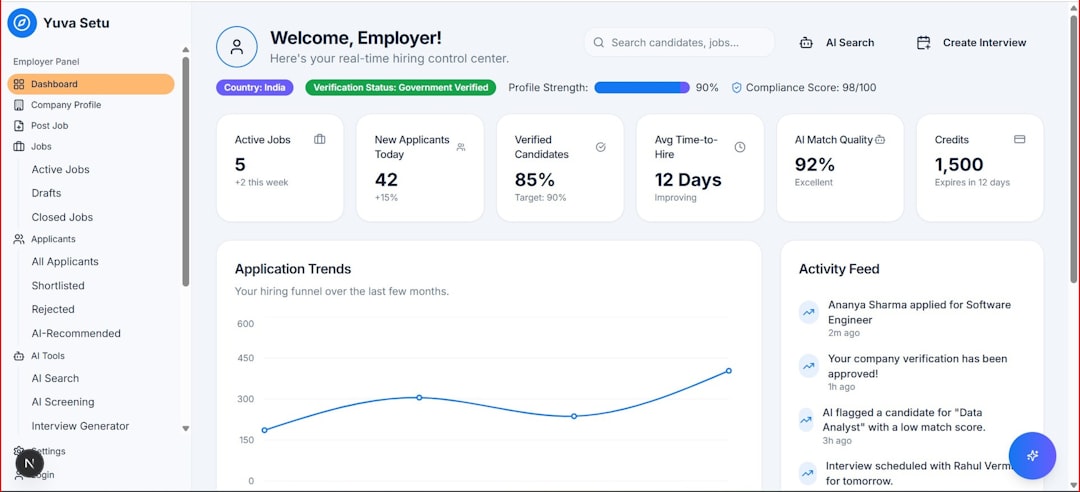
When it comes to employee onboarding, an HRMS acts as a central hub, orchestrating various tasks and information flows. It moves the entire process from a fragmented, manual system to a streamlined, digital, and often self-service model. Key ways an HRMS assists with employee onboarding include:
- Centralized Data Management: All new hire information, from personal details to employment contracts, is stored securely in one place.
- Workflow Automation: It automates the sequence of tasks required for onboarding, ensuring no step is missed and tasks are completed efficiently.
- Document Management: Facilitates digital signing, storage, and retrieval of all necessary documents.
- Integration Capabilities: Connects with other systems like payroll, IT provisioning, and learning management systems (LMS).
- Self-Service Portals: Provides new hires with a personalized portal to access information, complete tasks, and learn about the company.
Key Benefits of Using HRMS for Employee Onboarding
Automating Pre-boarding Tasks for a Smooth Start
The onboarding journey begins even before the first day. An HRMS can automate crucial pre-boarding tasks, such as sending offer letters, initiating background checks, and distributing welcome packets digitally. This ensures new hires feel connected and prepared before they even step foot in the office (or log in remotely). For instance, an HRMS can automatically trigger an email to the new hire with a link to their personalized portal, where they can complete initial forms, review company policies, and even get a virtual tour.
Streamlining Paperwork and Ensuring Compliance
One of the most immediate and significant benefits of an HRMS in employee onboarding is the reduction of paperwork. Digital forms, e-signatures, and automated document routing eliminate the need for physical copies and manual signatures. This not only saves time and resources but also significantly reduces the risk of errors and ensures all necessary compliance documents (e.g., I-9s, W-4s) are collected and stored correctly. The system can also send automated reminders for expiring certifications or mandatory training, helping maintain compliance effortlessly.
Enhancing the New Hire Experience with Personalization
An HRMS allows for a highly personalized employee onboarding experience. New hires can access a dedicated portal tailored to their role and department, providing them with relevant information, training modules, and team introductions. This might include a welcome message from their manager, an outline of their first week’s schedule, access to their team directory, and links to essential company resources. This personalized approach makes new employees feel valued and integrated from day one, fostering a stronger sense of belonging.
Improving Communication and Collaboration
Effective communication is vital during onboarding. An HRMS can facilitate this by automatically notifying relevant stakeholders (managers, IT, payroll, mentors) about a new hire’s arrival and assigning them specific tasks. For example, IT can be automatically prompted to set up accounts and equipment, while a manager receives a checklist for their new team member’s first day. This coordinated effort ensures everyone is aligned and ready to support the new employee, preventing common delays and frustrations.
Centralizing Employee Data for a Single Source of Truth
Gone are the days of scattered spreadsheets and disparate databases. An HRMS centralizes all employee data, creating a single, accurate, and easily accessible source of truth. This means that once a new hire’s information is entered during onboarding, it populates across all relevant modules – payroll, benefits, performance management, and more. This reduces redundant data entry, improves data integrity, and provides HR and managers with a comprehensive view of their workforce.
Boosting Engagement and Retention
A positive employee onboarding experience is directly linked to higher engagement and retention rates. When new hires feel supported, informed, and integrated, they are more likely to be satisfied with their role and committed to the company. An HRMS helps achieve this by making the process efficient and engaging, reducing the stress often associated with starting a new job. This positive initial experience can translate into long-term loyalty and productivity.
Data-Driven Insights and Analytics
Modern HRMS solutions offer robust reporting and analytics capabilities. During onboarding, this means HR teams can track key metrics such as time-to-completion for onboarding tasks, new hire satisfaction scores, and even early retention rates. These insights allow organizations to identify bottlenecks, evaluate the effectiveness of their onboarding programs, and continuously refine the process for better outcomes. For instance, if data shows a particular training module has low completion rates, HR can investigate and improve it.
Practical Steps to Implement HRMS for Effective Employee Onboarding
1. Define Your Onboarding Workflow
Before configuring any software, map out your ideal employee onboarding journey. Identify all tasks, stakeholders, and touchpoints from the moment an offer is accepted until the new hire is fully integrated. This includes pre-boarding, first day, first week, first month, and beyond. Understanding your current pain points will help you leverage the HRMS effectively.
2. Configure Your HRMS for Onboarding
Customize your HRMS to reflect your defined workflow. This involves setting up automated task assignments, creating digital forms with e-signature capabilities, designing personalized new hire portals, and configuring communication templates (e.g., welcome emails, manager checklists). Ensure all necessary legal and company policy documents are available digitally.
3. Integrate with Other Essential Systems
For a truly seamless experience, integrate your HRMS with other crucial systems. This typically includes payroll, benefits providers, IT provisioning systems (for account setup and equipment), and learning management systems (LMS) for training delivery. Integration minimizes manual data transfer and ensures consistency across all platforms.
4. Create Engaging and Informative Content
Beyond just forms, use your HRMS to deliver rich content. This could include welcome videos from leadership, interactive company culture guides, FAQs, role-specific training modules, and a directory of key contacts. Make the content easily digestible and engaging to help new hires quickly absorb information and feel part of the team.
5. Train HR and Managers Thoroughly
The success of an HRMS-powered onboarding process hinges on the proficiency of your HR team and hiring managers. Provide comprehensive training on how to use the system, assign tasks, track progress, and leverage its features to support new employees. Managers should understand their role in the digital onboarding journey.
6. Gather Feedback and Iterate Continuously
The onboarding process should not be static. Regularly solicit feedback from new hires and managers about their experience with the HRMS and the overall onboarding journey. Use surveys, one-on-one check-ins, and system analytics to identify areas for improvement. Continuously refine your workflows, content, and system configurations based on this feedback.
Real-World Examples of HRMS Impact on Onboarding
Consider a rapidly growing tech startup that previously struggled with manual onboarding. New hires often waited days for IT equipment and system access, leading to frustration and delayed productivity. By implementing an HRMS, they automated IT provisioning requests the moment an offer was accepted. Now, equipment is ready on day one, and new hires gain system access immediately, cutting time-to-productivity by 30%.
Another example is a large manufacturing company with stringent compliance requirements. Their manual process led to inconsistent document collection and missed training deadlines. An HRMS allowed them to standardize all compliance forms digitally, embed mandatory training modules, and set up automated reminders for renewals. This significantly reduced compliance risks and ensured every new employee received consistent, comprehensive safety and regulatory training.
Finally, a service industry firm used an HRMS to personalize the new hire experience. Through a dedicated portal, new customer service representatives received welcome videos from their team, a detailed overview of their first week’s schedule, and access to a peer mentorship program. This led to a 15% increase in new hire satisfaction scores and a noticeable improvement in early retention rates, as employees felt more connected and supported from the outset.
Choosing the Right HRMS for Your Onboarding Needs
When selecting an HRMS, consider the following factors:
- Scalability: Can the system grow with your company?
- Integration Capabilities: Does it seamlessly connect with your existing payroll, accounting, and other HR tools?
- User-Friendliness: Is it intuitive for both HR administrators and new hires?
- Specific Onboarding Features: Look for features like customizable workflows, digital forms, e-signatures, self-service portals, and reporting.
- Support and Training: What level of vendor support and training is provided?
- Cost: Does it fit within your budget, considering both initial setup and ongoing fees?
Investing in the right HRMS is an investment in your people and your company’s future success.
Conclusion: Transforming Employee Onboarding for a Stronger Workforce
Employee onboarding is a pivotal stage in the employee lifecycle, directly influencing engagement, productivity, and retention. The shift from traditional, manual processes to an HRMS-driven approach is not just about efficiency; it’s about creating a superior experience that makes new hires feel welcomed, valued, and ready to contribute from day one.
By automating administrative tasks, centralizing information, personalizing the experience, and providing data-driven insights, an HRMS empowers organizations to build robust, compliant, and highly engaging employee onboarding programs. This strategic investment not only streamlines HR operations but also lays a strong foundation for a thriving, productive, and loyal workforce. Embrace modern HRMS solutions to elevate your employee onboarding and unlock the full potential of your new talent.
Photo by Campaign Creators on Unsplash.