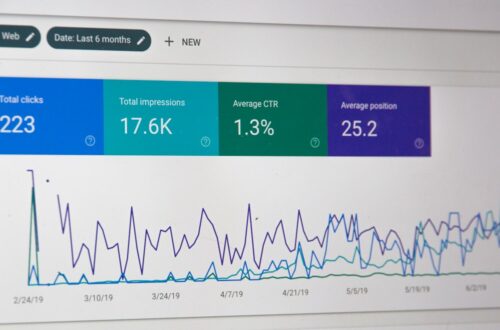








The Evolution of Link Building Strategy for Modern SEO
Search engine optimization has shifted dramatically away from sheer volume metrics. In the early days of search, acquiring hundreds of low-cost directory links or forum signatures could push a website to page one. Today, Google’s algorithms—powered by complex spam detection systems and sophisticated machine learning models—evaluate backlinks through the lens of quality, context, and genuine editorial intent.
Understanding off page seo strategies requires viewing backlinks as digital votes of confidence. However, not all votes carry equal weight. A single link from a top-tier industry publication carrying real reader traffic is worth significantly more than dozens of links from unvetted blogs created solely for SEO link trade. Modern white hat link building relies on creating genuine value for webmasters, journalists, and end-users alike.
| Strategy Dimension | Outdated / Risky Tactics | Modern White Hat Framework |
|---|---|---|
| Primary Objective | Maximum volume and Domain Authority manipulation | Topical authority, brand equity, and referral traffic |
| Anchor Text Focus | Exact-match anchor saturation | Branded, natural, and contextually diverse anchors |
| Prospecting Criteria | Third-party metrics (DA/DR) regardless of relevance | Niche relevance, active organic traffic, and editorial standards |
| Acquisition Method | Automated outreach, paid guest post networks, PBNs | Digital PR, data studies, broken link replacement, resource assets |
To succeed today, your link building seo efforts must align with Google’s Quality Rater Guidelines, Spam Policies, and modern AI SEO optimization standards. Building high-performing backlinks demands a sustainable framework that scales with your business rather than exposing it to algorithmic penalties.
Core Pillars of High-Quality, Risk-Free Backlinks
Before launching an outreach campaign, establishing strict quality control criteria for potential link partners is essential. Chasing third-party vanity metrics like Domain Authority (DA) without vetting the actual site often leads to toxic link profiles. To build risk-free authority, evaluate backlink prospects against four fundamental pillars:
1. Topical Relevance
Google evaluates backlinks within the broader context of topical clusters. A backlink from a highly respected medical journal offers minimal strategic value to a cloud software company. Ensure the linking domain operates in a closely aligned industry or adjacent niche to pass meaningful topical authority.
2. Active Organic Traffic
Real websites attract real human readers. If a target publication claims high authority metrics but receives negligible organic traffic according to analytics tools, it may be part of an expired domain network or a link farm. Prioritize websites with stable, verified organic traffic search trends.
3. Editorial Integrity
High-quality publications maintain strict publishing guidelines. Sites that accept any guest post without editorial review or fail to mark sponsored placements properly present long-term penalty risks. Look for platforms where content is curated by real editors and contributor standards are rigorously enforced.
4. Balanced Anchor Text Distribution
Over-optimizing anchor text with exact-match target keywords is one of the fastest ways to trigger algorithmic filters. A natural backlink profile consists predominantly of branded terms, naturally phrases, URLs, and occasional partial-match keywords.
Top Scalable Link Building Tactics for High Authority
Executing effective link building tactics requires a blend of compelling asset creation and targeted outreach. The following techniques represent the cornerstone of scalable off-page growth.
Data-Driven Original Research and Benchmark Reports
Original statistics and industry research act as natural link magnets. Journalists, bloggers, and analysts constantly search for authoritative data points to reference in their reporting.
- Survey Your Audience: Collect proprietary insight from customer data or industry-wide surveys.
- Publish Clear Data Visualizations: Design charts, graphs, and summary tables that external writers can embed easily.
- Conduct Direct Outreach: Send concise executive summaries of your findings to journalists covering your specific vertical.
Digital PR and Thought Leadership Campaigns
Digital PR bridges traditional media outreach with technical SEO. By pitching commentary on emerging trends or offering expert opinions on breaking news, you can secure high-authority editorial mentions on mainstream media sites.
Integrating these PR initiatives with your foundational work—such as building an actionable SEO strategy—ensures that newly acquired authority flows seamlessly into your core landing pages.
Unlinked Brand Mention Reclaim
As your brand gains market recognition, publications will naturally mention your products, executives, or research without linking back to your domain. Converting these unlinked mentions into active backlinks offers one of the highest conversion rates in outreach.
- Monitor brand mentions using media monitoring software.
- Filter results for high-authority domains lacking a hyperlink.
- Send a courteous note thanking the author for the mention while suggesting a contextual link to help readers learn more.
Broken Link Building and Content Replacements
Broken link building remains an effective, value-first approach. Webmasters dislike dead links because they hurt user experience. By identifying dead resources on target websites, you can offer your comprehensive asset as an immediate replacement.
Designing a Link Building Strategy for High-Competition and B2B Niches
Scaling outreach in B2B markets or highly competitive verticals presents unique obstacles. Audience sizes are smaller, topics are technical, and webmasters are frequently pitched by competitors. Deploying scalable link building strategies for B2B websites requires tailored linkable assets and personalized outreach workflows.
Creating High-Intent B2B Linkable Assets
Standard blog posts rarely attract organic links in B2B markets. Instead, focus investment on specialized resource formats:
- Interactive Calculators and Estimators: ROI calculators, pricing benchmarks, and technical tools.
- Templates and Checklists: Downloadable frameworks, policy templates, and operational SOPs.
- Industry Benchmark Reports: Annual performance data and market research reports.
Customized Outreach Workflows
Mass-blasting templated emails yields declining response rates and harms brand reputation. Build a multi-touch outreach process to foster long-term relationships with publishing partners:
- Prospect Segmentation: Group prospective targets by publisher type (e.g., niche trade blogs, news outlets, educational resources).
- Personalized Value Proposition: Tailor pitches to address why linking to your asset directly benefits their readership.
- Strategic Internal Linking: Pass earned equity from high-authority link assets directly to bottom-of-funnel service pages using internal links and robust technical foundations. If you are refining your site’s foundation, pair off-page work with a complete technical SEO audit.
How to Measure the Business ROI of Link Building
Focusing strictly on metric changes like Domain Authority or sheer backlink counts fails to reflect true business value. To understand performance, track business metrics that directly impact your sales funnel.
1. Target Keyword Ranking Velocity
Monitor how target landing pages move in search engine results pages (SERPs) following link acquisition campaigns. Sustained growth in primary and secondary keyword rankings indicates successful topical authority building.
2. Organic Traffic Growth on Linked Pages
Track organic session metrics for pages receiving new incoming links. Increased authority should correlate directly with higher organic impression share and inbound organic traffic growth.
3. Referral Traffic and Lead Conversions
High-quality links on relevant industry blogs drive qualified referral traffic. Set up goal tracking in your analytics platform to monitor how visitors from backlink sources convert into trial users, whitepaper downloads, or sales leads.
For organizations seeking structured execution and outreach management, evaluating specialized external support through dedicated backlink service solutions can accelerate continuous off-page growth.
Common Pitfalls and How to Avoid Google Penalties
Maintaining a clean backlink profile requires strict adherence to Google Search Essentials regarding link spam. Avoid these high-risk practices to protect your website from manual actions and algorithmic demotions:
- Buying Links on Unvetted Sites: Purchasing placements on private blog networks (PBNs) or commercial link networks carries severe penalty risks.
- Excessive Link Exchanges: Mutual “link for link” arrangements negotiated at scale can be easily flagged by search algorithms.
- Automated Outreach Spam: Generating thousands of automated outreach emails with low-quality guest posts burns relationships and damages domain reputation.
- Ignoring Technical Health: Backlinks pass maximum value when pointing to fast, well-structured web pages. For online stores, conducting an e-commerce SEO audit helps ensure overall site architecture supports crawling and indexing effectively.
Frequently Asked Questions
What are the most effective link building strategies for high-competition keywords?
For high-competition keywords, the most effective strategies involve acquiring links through proprietary data studies, digital PR outreach, high-utility interactive tools (such as calculators or benchmark generators), and targeted unlinked brand mention recovery. These assets deliver unique value that competitors cannot easily duplicate.
How do you build high-quality backlinks without getting penalized by Google?
To avoid penalties, focus on earning editorial, contextual links through transparent white hat tactics. Ensure link partners have actual organic traffic, strict editorial standards, and strong topical relevance. Avoid automated link networks, paid PBN placements, and exact-match anchor text over-optimization.
How do you measure the ROI of a link building strategy?
Measure ROI by tracking organic keyword ranking improvements, traffic growth on target URLs, referral traffic conversions, and pipeline growth directly attributed to organic landing page performance, rather than relying exclusively on third-party metrics like Domain Authority.
What is the difference between white hat link building tactics and risky link acquisition?
White hat link building earns backlinks editorially by delivering genuine value to publication readers through quality content, original research, and outreach. Risky link acquisition relies on manipulative schemes, low-quality paid networks, automated comment spam, or PBNs designed to trick algorithms without providing user value.
Photo by Markus Winkler on Unsplash.