





Introduction: The New Frontier of HR and Marketing Synergy
In today’s fiercely competitive talent landscape, attracting and retaining top talent requires more than just a competitive salary and benefits package. It demands a deep understanding of your workforce, an exceptional employee experience (EX), and a compelling employer brand that resonates both internally and externally. This is where the often-underestimated power of Human Resources Management System (HRMS) data converges with the strategic prowess of SEO and digital marketing.
Historically, HR and marketing operated in separate silos. HR focused on people, payroll, and compliance, while marketing handled brand image, customer acquisition, and digital presence. However, a seismic shift is underway. Forward-thinking organizations are realizing that the rich data housed within their HRMS – from recruitment metrics and performance reviews to training records and employee feedback – offers an unparalleled resource. When harnessed effectively, this data can drive hyper-personalized employee experiences, which in turn organically strengthens employer branding, and can then be amplified through targeted SEO and digital marketing strategies.
This article will delve into how leveraging HRMS data can transform your employee experience, build a magnetic employer brand, and how to use digital marketing and SEO techniques to broadcast that authentic brand story to the world, attracting the right talent and fostering a thriving workplace.
Understanding the Power of HRMS Data
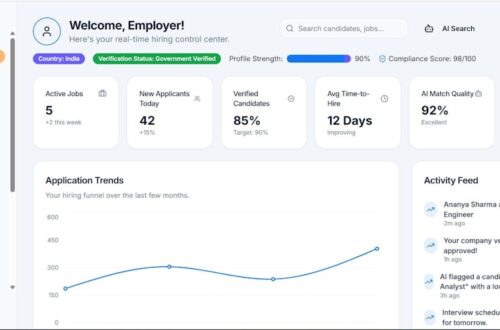
An HRMS isn’t just a system for managing administrative tasks; it’s a goldmine of organizational intelligence. It collects and stores a vast array of data points across the entire employee lifecycle. This includes:
- Recruitment Data: Source of hire, candidate experience feedback, time-to-hire, offer acceptance rates.
- Demographic Information: Age, location, diversity metrics, educational background.
- Performance Data: Goals, reviews, skill sets, training completions, promotions.
- Compensation & Benefits: Salary history, benefit elections, leave data, attendance records.
- Employee Feedback: Engagement survey results, sentiment analysis, exit interview insights.
- Tenure & Progression: Start dates, role changes, career paths within the organization.
Each of these data points, when analyzed collectively, provides invaluable insights into employee preferences, pain points, career aspirations, and what truly motivates them. This deep understanding is the bedrock for creating genuinely personalized experiences, moving beyond one-size-fits-all HR initiatives to truly resonate with individual employees.
From Data to Hyper-Personalized Employee Experience (EX)
Hyper-personalization in EX means tailoring every interaction and offering to individual employee needs and preferences, much like how top digital marketers personalize customer journeys. HRMS data makes this achievable:
- Personalized Recruitment & Onboarding: Use candidate data from the ATS (often part of HRMS) to tailor pre-boarding communications, provide role-specific training modules, and assign mentors with complementary skill sets. Imagine a new hire receiving a welcome kit curated with items reflecting their stated interests or a personalized learning path based on their pre-employment assessment results.
- Customized Learning & Development (L&D): HRMS can track skill gaps, career aspirations, and past training history. This data allows for personalized L&D recommendations, suggesting courses, mentors, or projects that align with an employee’s growth trajectory and interests, rather than generic offerings.
- Tailored Performance & Recognition: Data can highlight individual performance patterns, preferred feedback styles, and recognition preferences. Managers can then adapt their coaching, goal-setting, and recognition methods to be more impactful for each team member.
- Optimized Wellness & Engagement Programs: By analyzing demographic and feedback data, HR can identify specific wellness needs (e.g., mental health support for certain departments, physical activity challenges for remote teams) and offer personalized benefits or engagement activities that are genuinely utilized and appreciated.
- Proactive Retention Strategies: HRMS can flag patterns associated with attrition risk (e.g., lack of promotion in X years, declining engagement scores). This data enables HR to intervene proactively with personalized career development discussions, new opportunities, or increased support, addressing potential issues before they lead to voluntary turnover.
Building a Magnetic Employer Brand with Personalized EX
An employer brand is your company’s reputation as an employer – what it’s like to work for you. It’s built on the sum of all employee experiences. When employees consistently have positive, personalized experiences, they become your most authentic and powerful brand advocates.
Hyper-personalized EX directly fuels a magnetic employer brand by:
- Fostering Authenticity: Happy, engaged employees who feel valued are more likely to share their positive experiences, whether through internal channels, social media, or review sites like Glassdoor. These authentic testimonials are far more credible and impactful than any corporate messaging.
- Improving Reputation: A strong, positive internal culture translates into a stellar external reputation. This not only attracts more candidates but also boosts customer loyalty and overall business success.
- Reducing Turnover: Employees who feel seen, heard, and supported through personalized experiences are less likely to seek opportunities elsewhere, leading to higher retention rates and a stable, experienced workforce.
- Attracting Quality Talent: A strong employer brand acts as a magnet, drawing in candidates who align with your values and culture, reducing recruitment costs, and improving the quality of hires.
Amplifying Employer Branding Through SEO & Digital Marketing
Once you’ve cultivated an exceptional, personalized employee experience powered by HRMS data, the next crucial step is to strategically communicate this to the outside world. This is where SEO and digital marketing become indispensable.
SEO for Your Career Page and Job Postings
Your career page is often the first touchpoint for potential candidates. Optimizing it for search engines is paramount:
- Keyword Research: Use tools to identify job titles, skill sets, company culture terms, and benefit-related keywords that candidates are actively searching for. Think beyond just ‘Software Engineer’ to ‘Software Engineer with work-life balance’ or ‘Best tech companies to work for in [city]’.
- On-Page Optimization: Craft compelling job descriptions that include keywords naturally. Create dedicated pages for benefits, company culture, employee testimonials, and diversity initiatives. Ensure fast loading times, mobile responsiveness, and clear calls to action.
- Schema Markup: Implement structured data for job postings so search engines can better understand and display your job listings directly in search results (e.g., Google for Jobs).
- Local SEO: If you have multiple office locations, optimize location-specific career pages to attract local talent.
Content Marketing Fueled by HRMS Insights
HRMS data provides a wealth of inspiration for content that showcases your employer brand:
- Employee Spotlights & Success Stories: Use performance data to identify high-achieving employees and feature their journeys. Tell stories of career growth, skill development, and internal mobility, demonstrating the personalized L&D paths enabled by your HRMS.
- ‘A Day in the Life’ Series: Profile diverse roles and teams, offering an authentic glimpse into your workplace culture. This helps candidates visualize themselves in these roles.
- Culture & Values Content: Create blog posts, videos, and infographics that elaborate on your company values, backed by employee testimonials or data showing how these values are lived daily. Highlight initiatives driven by employee feedback from your HRMS.
- Benefits & Perks Deep Dives: Instead of a generic list, create detailed content on your personalized benefits, explaining how they cater to different employee segments (e.g., ‘Wellness benefits for new parents,’ ‘Financial planning support for early-career professionals’).
Social Media & Digital Advertising Strategies
Digital marketing channels are perfect for disseminating your employer brand story:
- Targeted Advertising: Leverage demographic and psychographic data (ethically and compliantly) to create highly targeted ad campaigns on LinkedIn, Instagram, and Facebook. For instance, if your HRMS data shows a specific skill set is hard to find, target professionals with those skills.
- Employee Advocacy Programs: Empower and encourage your employees to share company content, job openings, and their personal experiences on their social networks. Provide them with easy-to-share content and guidelines.
- Interactive Content: Run polls, Q&As, and live sessions with employees to foster engagement and transparency about your workplace culture.
- Retargeting Campaigns: Re-engage past applicants or website visitors who viewed your career page with compelling employer branding content, reminding them of why your company is a great place to work.
Email Marketing & Candidate Nurturing
Personalized email campaigns, much like customer nurture sequences, can keep potential candidates engaged:
- Talent Pipeline Nurturing: For candidates who aren’t a fit for an immediate opening but show promise, add them to a talent pool and send personalized email updates about company news, culture highlights, and future openings relevant to their skills.
- Personalized Application Updates: Move beyond generic automated emails. Use HRMS/ATS data to provide more personalized updates on application status and next steps.
Practical Steps to Integrate HRMS Data with Digital Marketing
Successfully bridging HRMS data and digital marketing requires a structured approach:
- Data Integration & Governance: Ensure your HRMS and other HR tech (like ATS) can securely integrate with marketing platforms (CRM, email marketing tools, social media management). Establish clear data governance policies, focusing on privacy, compliance (GDPR, CCPA), and ethical use of employee data.
- Define Your Target Personas: Based on HRMS data, create detailed profiles of your ideal employees (current and future). Understand their demographics, motivations, career goals, and what they value in an employer.
- Map the Employee & Candidate Journey: Identify every touchpoint from first awareness as a potential candidate to a long-term employee. Pinpoint where HRMS data can personalize and where digital marketing can amplify the experience.
- Craft Compelling Narratives: Translate raw data insights into engaging stories. Use the ‘who, what, why, and how’ to showcase your unique culture and the tangible benefits of working at your company.
- Implement & Optimize: Launch your integrated campaigns and continuously monitor performance using analytics. Measure key metrics like career page traffic, application conversion rates, employee engagement survey scores, and Glassdoor ratings. Use these insights to refine and optimize your strategies.
The Tangible Benefits: Why This Matters
The synergy between HRMS data, personalized EX, and digital marketing isn’t just a theoretical concept; it delivers measurable business benefits:
- Increased Candidate Attraction & Quality: A strong, authentic employer brand naturally attracts more qualified candidates who are a better cultural fit.
- Higher Employee Engagement & Retention: Personalized experiences lead to happier, more engaged employees who are more likely to stay with the company long-term.
- Reduced Recruitment Costs: By attracting better-matched candidates and improving retention, you reduce the time and money spent on recruiting and training new hires.
- Stronger Organizational Performance: Engaged employees are more productive, innovative, and contribute directly to the company’s bottom line.
- Enhanced Brand Reputation: A positive employer brand reinforces your overall corporate brand, building trust with both customers and investors.
Conclusion: The Future is Personalized and Data-Driven
The era of treating HR and marketing as distinct, unrelated functions is rapidly fading. In the modern workplace, the strategic use of HRMS data to craft hyper-personalized employee experiences is not just a ‘nice to have’ – it’s a competitive imperative. This internal transformation, when amplified through sophisticated SEO and digital marketing strategies, creates a powerful feedback loop: exceptional employee experiences lead to authentic employer branding, which in turn attracts top talent who then enjoy those exceptional experiences.
By proactively integrating your HRMS insights with your digital marketing efforts, organizations can build a reputation as an employer of choice, foster a truly engaged workforce, and ultimately drive sustainable growth. The future of talent management is personalized, data-driven, and intrinsically linked to a robust digital presence. It’s time to unlock the full potential of your HRMS and elevate your employer brand to new heights.