





Introduction: The New Frontier of Employee Experience
In today’s dynamic business landscape, the concept of ’employee experience’ (EX) has moved from a buzzword to a strategic imperative. Companies are realizing that a highly engaged, satisfied workforce is not just a pleasant outcome, but a fundamental driver of productivity, innovation, and customer satisfaction. But how do organizations effectively cultivate such an environment? The answer increasingly lies in leveraging robust Human Resources Management Systems (HRMS).
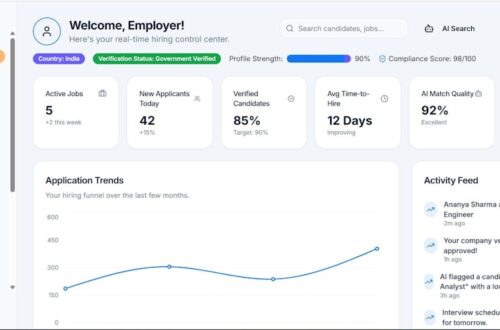
An HRMS is more than just a tool for administrative tasks; it’s a comprehensive platform designed to manage and optimize core HR functions, from recruitment and onboarding to payroll and performance management. When strategically implemented, an HRMS becomes the backbone for delivering a seamless, positive, and empowering employee experience. This article will explore how a modern HRMS transforms various facets of the employee journey, ultimately creating a workplace where individuals feel valued, supported, and motivated.
The Evolution of Employee Experience (EX)
Gone are the days when employee satisfaction was solely measured by salary and benefits. Today’s workforce, particularly younger generations, seeks meaning, growth, and a positive daily interaction with their workplace technology and culture. Employee experience encompasses every interaction an employee has with their organization, from their first contact as a candidate to their last day.
This holistic view includes the physical environment, the cultural ethos, and critically, the technological tools provided. A clunky, outdated system can frustrate employees, waste their time, and detract from their ability to focus on meaningful work. Conversely, an intuitive, integrated HRMS can empower employees, streamline processes, and foster a sense of efficiency and professionalism.
Investing in EX is no longer optional. Studies consistently show a strong correlation between positive employee experience and higher employee retention, improved productivity, and increased profitability. Organizations that prioritize EX are better positioned to attract top talent and maintain a competitive edge in the market.
How HRMS Directly Impacts Employee Experience
A well-implemented HRMS can profoundly enhance EX across numerous touchpoints. Let’s delve into specific areas where an HRMS makes a tangible difference:
Streamlined Onboarding: A Welcoming Start
The onboarding process sets the tone for an employee’s entire tenure. A disjointed, paper-heavy onboarding experience can leave new hires feeling overwhelmed and undervalued. An HRMS, however, transforms this critical phase.
- Automated Workflows: From document signing to IT setup requests, an HRMS automates tasks, ensuring nothing is missed and new hires can complete paperwork digitally before their first day.
- Personalized Welcome: New employees can access welcome packets, company policies, and even introductions to team members through a dedicated portal, making them feel part of the team from day one.
- Example: Imagine a new marketing specialist receiving an email a week before their start date, guiding them to an online HRMS portal. Here, they complete all necessary tax forms, sign their employment contract digitally, view their department’s organizational chart, and even get a virtual tour of the office space. This smooth, digital process allows them to hit the ground running on day one, focusing on learning their role rather than administrative hurdles.
Effortless Self-Service: Empowering Employees
One of the most significant benefits of an HRMS is the empowerment it provides through self-service capabilities. Employees no longer need to rely on HR for every small request.
- Access to Information: Employees can view their pay stubs, update personal information, check benefits enrollment, and access company directories anytime, anywhere.
- Request Management: Submitting leave requests, expense reports, or training applications becomes a simple, trackable process through the system.
- Example: An employee needs to update their emergency contact information. Instead of filling out a paper form and submitting it to HR, they simply log into the HRMS portal from their phone or computer, navigate to their profile, make the update, and it’s instantly recorded. This saves both the employee and HR valuable time.
Performance Management & Feedback: Fostering Growth
Traditional annual reviews are often ineffective. An HRMS facilitates a more continuous, supportive approach to performance management.
- Real-time Feedback: Managers and peers can provide ongoing feedback, recognizing achievements or addressing areas for improvement promptly.
- Goal Tracking: Employees can set, track, and align their goals with organizational objectives, gaining clarity on their contributions.
- Development Plans: The system can help manage personalized development plans, linking performance reviews to learning opportunities.
- Example: A software developer receives constructive feedback from their lead on a recent project via the HRMS. This feedback is linked to a specific skill development goal. The system then suggests relevant online courses or internal workshops that can help the developer improve, creating a clear path for growth.
Learning & Development Opportunities: Investing in Talent
An HRMS can be integrated with learning management systems (LMS) or have built-in capabilities to manage employee training and development.
- Course Catalogs: Employees can browse and enroll in relevant training courses, workshops, or certifications directly through the HRMS.
- Skill Tracking: The system can track completed training and acquired skills, helping HR identify talent gaps and succession planning opportunities.
- Example: A customer service representative wants to enhance their conflict resolution skills. They log into the HRMS, find a catalog of available internal and external training programs, and enroll in an online course. Their manager is automatically notified, and upon completion, the certification is added to their profile, demonstrating their commitment to professional growth.
Payroll & Benefits Clarity: Peace of Mind
Accuracy and transparency in payroll and benefits are crucial for employee trust and satisfaction. An HRMS ensures these processes are seamless.
- Accurate Payroll: Automation reduces errors in salary calculation, deductions, and tax withholdings.
- Benefits Management: Employees can easily view their benefits package, make enrollment changes during open enrollment periods, and understand their coverage.
- Example: During open enrollment, an employee can compare different health insurance plans side-by-side within the HRMS, calculate their out-of-pocket costs, and make an informed decision about their family’s coverage, all without needing to consult HR directly. They can also access their current and past pay stubs with detailed breakdowns whenever needed.
Attendance & Leave Management: Simplifying Time Off
Managing attendance, leave requests, and time-off accruals can be a major administrative burden. An HRMS simplifies these processes for everyone.
- Easy Request Submission: Employees can submit leave requests (vacation, sick leave, etc.) through the portal, which are then routed to their manager for approval.
- Transparent Balances: Employees can instantly see their accrued leave balances, helping them plan their time off effectively.
- Managerial Oversight: Managers can view team calendars, approve or deny requests, and ensure adequate staffing with ease.
- Example: A project manager needs to take a week off for personal reasons. They log into the HRMS, check their available vacation balance, submit a request, and it’s automatically sent to their department head for approval. The system also flags any potential conflicts with project deadlines, allowing for proactive planning.
Data-Driven Insights: Continuous Improvement
Beyond individual interactions, an HRMS provides valuable data that HR teams can use to continuously improve the overall employee experience.
- Analytics & Reporting: HRMS platforms generate reports on turnover rates, employee engagement, training effectiveness, and more.
- Informed Decisions: This data helps HR identify trends, pinpoint areas of dissatisfaction, and implement targeted interventions to enhance EX.
- Example: HR notices an increase in voluntary turnover within a specific department through HRMS analytics. By digging deeper into exit interview data and engagement survey results also managed within the system, they might discover a pattern related to lack of career development opportunities, prompting the creation of new mentorship programs.
Implementing HRMS for Optimal Employee Experience
To truly leverage an HRMS for elevating EX, organizations must approach implementation thoughtfully:
- User-Centric Design: Choose an HRMS with an intuitive, user-friendly interface. If employees find it difficult to use, adoption will be low.
- Comprehensive Training: Provide thorough training for all employees and managers on how to effectively use the system’s features.
- Regular Feedback: Solicit feedback from employees about their experience with the HRMS and make adjustments as needed.
- Integration Capabilities: Ensure the HRMS can integrate with other essential business systems (e.g., accounting, project management) to create a unified digital ecosystem.
- Change Management: Communicate the benefits of the new system clearly and manage the transition effectively to minimize disruption and maximize buy-in.
Conclusion: The Future is Employee-Centric with HRMS
In the competitive landscape for talent, organizations that prioritize employee experience will be the ones that thrive. A modern HRMS is not merely an administrative tool; it is a strategic investment in your most valuable asset – your people. By streamlining processes, empowering employees with self-service, fostering growth through continuous feedback, and providing transparent information, an HRMS creates a workplace where employees feel supported, engaged, and motivated to contribute their best. Embracing an HRMS is embracing a future where technology and human potential converge to create exceptional employee experiences.
Photo by Christina @ wocintechchat.com M on Unsplash.