





Introduction
In today’s fast-paced business environment, optimizing employee performance is not just a goal; it’s a strategic imperative for sustainable growth. Organizations are constantly seeking innovative ways to empower their workforce, streamline processes, and unlock the full potential of every team member. While traditional methods of performance reviews and management often fall short, modern Human Resources Management Systems (HRMS) have emerged as powerful tools to revolutionize how businesses approach employee performance.
An HRMS is an integrated suite of software applications designed to manage HR functions, including payroll, benefits, talent management, and, crucially, performance management. Far more than just a record-keeping system, a robust HRMS offers a comprehensive platform to track, evaluate, and develop employee capabilities effectively. By centralizing HR data and automating key processes, an HRMS provides the infrastructure needed to foster a culture of continuous improvement and achievement.
This article will delve into how leveraging a modern HRMS can fundamentally transform employee performance, leading to increased productivity, higher engagement, and ultimately, significant business growth. We’ll explore the key functionalities that make an HRMS indispensable for contemporary performance management strategies and offer practical insights for successful implementation.
The Evolution of Employee Performance Management
Historically, employee performance management was often characterized by annual, top-down reviews that were frequently dreaded by both managers and employees. These infrequent evaluations often lacked real-time context, were prone to recency bias, and offered little in the way of actionable feedback or continuous development. The focus was often on past performance rather than future growth, leading to missed opportunities for timely intervention and support.
The modern workplace, however, demands a more agile and dynamic approach. The shift is towards continuous performance management, emphasizing regular check-ins, ongoing feedback, and a forward-looking perspective focused on development and goal achievement. This evolution recognizes that performance is not a static event but an ongoing journey, requiring consistent support and guidance. An HRMS is perfectly positioned to facilitate this modern approach, moving organizations away from outdated practices and towards a more effective, employee-centric model.
How Modern HRMS Transforms Employee Performance
A sophisticated HRMS integrates various functionalities that collectively elevate the entire employee performance management lifecycle. Here’s how:
1. Streamlined Goal Setting and Tracking
Setting clear, measurable goals is foundational to effective employee performance. An HRMS simplifies this process by providing intuitive tools for managers and employees to collaboratively define objectives, whether they are SMART goals, OKRs (Objectives and Key Results), or other frameworks. These goals can be easily aligned with departmental and organizational objectives, ensuring everyone is working towards a common vision.
Beyond setting, an HRMS enables real-time tracking of progress. Employees can update their status, attach relevant documents, and comment on their achievements. Managers gain immediate visibility into individual and team progress, allowing for timely interventions, course corrections, or recognition. This transparency fosters accountability and ensures that performance discussions are always data-backed and focused on tangible outcomes.
2. Continuous Feedback and Coaching
Gone are the days of waiting for an annual review to receive feedback. Modern HRMS platforms facilitate a culture of continuous feedback, allowing for instant recognition, constructive criticism, and peer-to-peer feedback. Features like 360-degree feedback tools gather insights from various sources, providing a holistic view of an employee’s performance and impact.
Managers can use the HRMS to log coaching sessions, document discussions, and track developmental needs. This continuous dialogue ensures that employees receive timely guidance, understand areas for improvement, and feel valued for their contributions. Real-time feedback loops are critical for fostering engagement and driving immediate improvements in employee performance.
3. Data-Driven Insights and Analytics
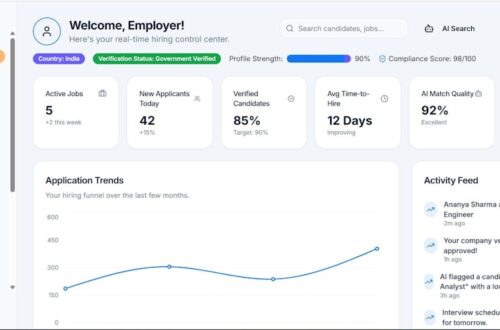
One of the most significant advantages of an HRMS is its ability to collect and analyze vast amounts of performance data. This moves performance management from subjective opinions to objective, data-driven insights. HR professionals and managers can access dashboards and reports that highlight key performance indicators (KPIs), identify high-performing teams, pinpoint skill gaps, and even predict potential turnover risks.
For example, an HRMS might reveal that employees who receive weekly feedback achieve their goals 20% faster, or that specific training programs directly correlate with improved sales figures. These insights enable organizations to make informed decisions about resource allocation, training investments, and strategic planning, all aimed at enhancing overall employee performance and organizational effectiveness.
4. Automated Performance Reviews
While continuous feedback is vital, structured performance reviews still play a role. An HRMS significantly reduces the administrative burden associated with these reviews. It automates reminders for managers and employees, provides customizable templates, and streamlines the entire review workflow, from self-assessments to manager evaluations and final approvals.
This automation ensures that reviews are completed on time, are consistent across the organization, and are less prone to human error. By freeing up HR and management time from manual tasks, an HRMS allows them to focus on more strategic activities, such as coaching, development, and talent strategy, directly contributing to better employee performance outcomes.
5. Integrated Learning and Development
Effective employee performance management is intrinsically linked with learning and development. An HRMS often integrates with or includes learning management system (LMS) functionalities, allowing organizations to identify skill gaps highlighted during performance reviews and recommend targeted training programs directly within the system.
Personalized learning paths can be created based on individual performance data and career aspirations. This seamless connection ensures that development initiatives are directly tied to performance needs, empowering employees to acquire new skills, grow professionally, and address any areas requiring improvement, thereby boosting their capabilities and contribution.
6. Succession Planning and Career Pathing
Beyond immediate performance, an HRMS assists in long-term talent management by supporting succession planning and career pathing. By tracking employee skills, performance history, and development goals, the system can identify high-potential employees ready for leadership roles or internal mobility.
This proactive approach ensures that the organization always has a pipeline of qualified individuals for critical positions, reducing recruitment costs and ensuring business continuity. For employees, transparent career paths and development opportunities fostered by the HRMS enhance motivation, loyalty, and commitment, directly impacting their sustained high performance.
Implementing HRMS for Optimal Employee Performance Management
To fully harness the power of an HRMS for employee performance, strategic implementation is key:
Choosing the Right HRMS
The market offers a wide array of HRMS solutions. Organizations must carefully evaluate their specific needs, considering factors such as company size, industry, existing HR processes, and budget. Look for a system that offers robust performance management modules, is user-friendly, scalable, and integrates well with other business systems. A demo and pilot program can help assess suitability.
Training and Adoption
Even the most sophisticated HRMS is only as effective as its users. Comprehensive training for all employees, from executives to front-line staff, is crucial. Emphasize the benefits of the new system – how it simplifies tasks, provides clarity, and supports individual growth. Foster a culture where the HRMS is seen as an enabler, not just another tool.
Integrating with Company Culture
An HRMS is a technological tool, but its success hinges on its integration with the company’s culture. If the organization values transparency, feedback, and development, the HRMS will thrive. If the culture is resistant to change or lacks trust, even the best system will struggle. Use the HRMS to reinforce positive cultural values and encourage open communication.
Practical Examples of HRMS in Action
Case Study: Tech Startup X’s Agile Goal Setting
A rapidly growing tech startup, ‘InnovateNow,’ struggled with aligning individual goals to fast-changing company objectives. Their HRMS allowed them to implement a quarterly OKR (Objectives and Key Results) system. Employees set individual OKRs within the HRMS, linking them directly to team and company-level OKRs. Weekly check-ins were logged, and progress was visible to all relevant stakeholders. This real-time visibility and agile adjustment capability significantly improved goal attainment and overall team performance.
Case Study: Manufacturing Firm Y’s Enhanced Feedback Loops
‘ProdCo,’ a long-established manufacturing firm, traditionally relied on annual reviews, leading to missed opportunities for timely feedback on the factory floor. By implementing an HRMS with a continuous feedback module, managers could provide instant recognition for safety compliance or process improvements. Employees could also request feedback from peers and supervisors at any time. This shift transformed their culture, leading to a noticeable increase in employee engagement and a reduction in operational errors.
Overcoming Challenges in HRMS Implementation
While the benefits are clear, implementing an HRMS can present challenges. Data privacy and security are paramount, requiring robust system safeguards and strict adherence to regulations like GDPR. Resistance to change from employees or managers accustomed to traditional methods can also be a hurdle. Addressing these challenges requires clear communication, demonstrating the HRMS’s value, providing ample training, and involving key stakeholders in the planning process.
The Future of Employee Performance Management with HRMS
The future of employee performance management with HRMS is exciting. We can expect even greater integration of artificial intelligence (AI) and machine learning (ML). AI-powered HRMS platforms will offer predictive analytics to identify potential performance dips, recommend personalized learning paths, and even suggest optimal team compositions. Virtual reality (VR) and augmented reality (AR) could also play a role in immersive training and performance simulations, making development more engaging and effective. The evolution of HRMS will continue to empower organizations to be more proactive, personalized, and precise in nurturing their most valuable asset: their people.
Conclusion
Modern HRMS solutions are no longer just administrative tools; they are strategic enablers for superior employee performance and sustained business growth. By streamlining goal setting, fostering continuous feedback, providing data-driven insights, automating processes, and integrating development, an HRMS creates an environment where employees can thrive and contribute their best work.
Embracing a sophisticated HRMS is an investment in your workforce and your company’s future. It empowers managers, engages employees, and provides the strategic intelligence needed to navigate the complexities of the modern business landscape. For any organization serious about elevating its human capital and achieving its strategic objectives, leveraging a modern HRMS for employee performance is not just an option—it’s a necessity.
Photo by Christina @ wocintechchat.com M on Unsplash.