





Introduction
In today’s dynamic business landscape, organizations are constantly seeking innovative ways to enhance productivity, foster engagement, and ultimately, drive growth. Central to achieving these objectives is the effective management of human capital. While traditional HR systems often focused on administrative tasks, the modern Human Resources Management System (HRMS) has evolved into a strategic powerhouse, designed to empower employees and optimize their performance across the board. This article delves into how a sophisticated HRMS can transform your approach to employee performance, offering practical insights and strategies for a more engaged and productive workforce.
A modern HRMS is far more than just a digital filing cabinet for employee records. It’s an integrated suite of tools that supports the entire employee lifecycle, from recruitment and onboarding to payroll, benefits, performance management, and offboarding. By centralizing crucial HR functions and leveraging data analytics, an HRMS provides unprecedented visibility into workforce dynamics, enabling HR professionals and managers to make informed decisions that directly impact employee success and organizational outcomes.
The Evolving Role of HRMS in Performance Management
The concept of performance management has undergone a significant transformation. Gone are the days of annual, often dreaded, performance reviews. Modern approaches emphasize continuous feedback, development, and a holistic view of an employee’s contribution. The HRMS is at the heart of this evolution, providing the technological infrastructure to support these contemporary practices.
Beyond Basic Record-Keeping
Historically, HR systems were primarily administrative. They managed employee data, processed payroll, and handled basic compliance. While these functions remain critical, a modern HRMS extends its capabilities far beyond mere record-keeping. It integrates various modules that directly contribute to nurturing and evaluating employee performance in a more comprehensive and continuous manner.
For instance, instead of just storing performance review documents, an advanced HRMS facilitates the entire performance cycle: setting objectives, tracking progress, enabling real-time feedback, and linking performance to development plans. This integrated approach ensures that performance management is an ongoing dialogue rather than a one-off event, fostering a culture of continuous improvement and growth within the organization.
A Strategic Tool for Growth
For businesses aiming for sustainable growth, an HRMS is not just an operational tool; it’s a strategic asset. By providing granular data on individual and team performance, skill gaps, training needs, and engagement levels, an HRMS empowers leadership to identify strengths, address weaknesses, and strategically deploy resources. This data-driven approach allows organizations to align individual performance goals with broader business objectives, ensuring that every employee’s contribution moves the company forward.
Consider a scenario where a company is launching a new product line. An HRMS can quickly identify employees with relevant skills, highlight those needing specific training, and track their progress, ensuring the team is well-equipped for success. This foresight, enabled by robust HRMS analytics, is invaluable for strategic planning and execution.
Key HRMS Features for Performance Optimization
To truly optimize employee performance, an HRMS must offer a range of integrated features. These modules work in synergy to provide a holistic view and actionable insights.
Performance Appraisal Modules
Modern HRMS solutions offer sophisticated performance appraisal modules that move beyond traditional forms. These often include:
- Goal Setting & Tracking: Employees and managers can collaboratively set SMART (Specific, Measurable, Achievable, Relevant, Time-bound) goals and track progress in real-time. This ensures transparency and accountability. For example, a sales team member can log their weekly call targets and actual conversions directly into the HRMS, allowing their manager to monitor progress and offer timely support.
- Continuous Feedback Mechanisms: Facilitating regular, informal feedback, not just during formal reviews. This might include peer feedback, 360-degree reviews, and instant recognition tools. Imagine a project manager giving immediate positive feedback to a team member for an innovative solution, recorded and visible within the HRMS, reinforcing good behavior.
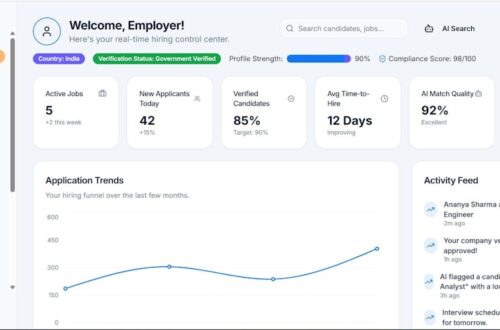
- Performance Analytics: Dashboards and reports that provide insights into individual and team performance trends, identifying high-performers and areas needing improvement. This data can inform succession planning and talent development initiatives.
Learning & Development (L&D) Integration
Performance optimization is intrinsically linked to continuous learning. An HRMS with strong L&D capabilities can:
- Identify Skill Gaps: By analyzing performance data and job requirements, the HRMS can pinpoint areas where employees need further training or skill development.
- Personalized Learning Paths: Based on identified gaps and career aspirations, the system can recommend tailored courses, workshops, or certifications. An HRMS might suggest a specific project management certification for an employee aiming for a leadership role, based on their current performance and development plan.
- Track Training Progress: Monitor completion rates, effectiveness of training programs, and their impact on performance. This ensures ROI on L&D investments.
Employee Engagement Tools
An engaged employee is a productive employee. An HRMS can foster engagement through:
- Pulse Surveys and Feedback: Regularly gather employee sentiment on various aspects of their work environment, identifying areas for improvement before they become major issues.
- Recognition & Rewards Programs: Facilitate peer-to-peer recognition, celebrate milestones, and manage reward systems, boosting morale and motivation. A simple ‘kudos’ system within the HRMS can allow colleagues to acknowledge each other’s contributions publicly.
- Internal Communication Platforms: Provide centralized channels for company announcements, team updates, and fostering a sense of community.
Attendance and Time Tracking
While seemingly administrative, accurate attendance and time tracking are foundational to performance management. An HRMS ensures:
- Accuracy and Compliance: Automates the tracking of work hours, leaves, and overtime, reducing errors and ensuring adherence to labor laws.
- Productivity Insights: Helps identify patterns in attendance that might impact productivity, such as excessive absenteeism or consistent tardiness, allowing managers to intervene proactively.
- Resource Planning: Provides data essential for effective workforce scheduling and ensuring adequate staffing levels, preventing burnout and maintaining service quality.
Analytics and Reporting
The true power of an HRMS lies in its ability to transform raw data into actionable intelligence. Robust analytics and reporting features allow organizations to:
- Identify Trends: Spot patterns in performance, engagement, and attrition across different departments or demographics.
- Measure Impact: Quantify the effectiveness of HR initiatives, training programs, and policy changes on employee performance.
- Predictive Insights: Use data to forecast future trends, such as potential attrition risks or future skill requirements, enabling proactive talent management. For example, an HRMS might flag a rising trend of employees leaving within their first year in a particular department, prompting HR to review the onboarding process or management style in that area.
Practical Strategies for Leveraging HRMS for Performance
Implementing an HRMS is just the first step. Maximizing its potential requires strategic planning and consistent effort.
Set Clear, Measurable Goals
Utilize the HRMS’s goal-setting features to establish transparent, measurable objectives for every employee. Ensure these individual goals align with team and organizational objectives. Regular check-ins recorded in the HRMS keep everyone accountable and on track. For instance, a marketing team can set quarterly lead generation goals within the HRMS, with progress updated weekly, allowing for real-time adjustments if targets are not being met.
Foster Continuous Feedback and Coaching
Encourage managers to use the HRMS’s feedback tools regularly, providing constructive criticism and positive reinforcement. Train managers to be coaches, not just evaluators. The HRMS can serve as a repository for these interactions, creating a comprehensive performance journal for each employee, aiding in development and formal reviews.
Personalize Learning and Development
Leverage the L&D modules of your HRMS to create personalized development plans. Based on skill assessments and performance reviews conducted within the system, recommend specific training modules, mentorship programs, or external courses. This targeted approach ensures that development efforts are relevant and impactful, directly addressing individual and organizational needs.
Promote Employee Well-being and Engagement
Use the HRMS to deploy engagement surveys and analyze the results. Act on feedback to improve the workplace culture. Implement recognition programs that are easy to use and visible through the HRMS, fostering a culture of appreciation. By monitoring engagement metrics, HR can proactively address issues like burnout or low morale before they significantly impact performance.
Utilize Data for Proactive Insights
Regularly review the analytics and reporting dashboards within your HRMS. Look for patterns, anomalies, and opportunities. For example, if performance scores for a particular department consistently lag, the HRMS data might reveal issues with training, workload distribution, or management styles. This data-driven approach allows for proactive interventions rather than reactive problem-solving.
Choosing the Right HRMS for Your Organization
Selecting an HRMS is a critical decision that impacts your entire workforce. Consider the following factors:
- Scalability: Can the system grow with your organization?
- Integration: Does it seamlessly integrate with existing systems (e.g., accounting, CRM)?
- User-Friendliness: Is it intuitive for both employees and HR professionals?
- Security: Does it offer robust data security and privacy features?
- Vendor Support: What kind of customer support and training does the vendor provide?
- Customization: Can it be tailored to your specific organizational needs and workflows?
A thorough evaluation process, involving key stakeholders from various departments, will ensure you choose an HRMS that truly supports your strategic objectives for employee performance.
Conclusion
The modern HRMS is an indispensable tool for any organization committed to optimizing employee performance. By centralizing HR functions, streamlining processes, and providing powerful analytics, it enables a shift from administrative HR to strategic human capital management. From continuous performance management and personalized learning to enhanced employee engagement and data-driven insights, an HRMS empowers businesses to cultivate a high-performing, motivated, and engaged workforce. Investing in the right HRMS is not just an investment in technology; it’s an investment in your people, your productivity, and your future success.
Photo by Christina @ wocintechchat.com M on Unsplash.