





Introduction
In today’s fast-paced business world, efficiency and strategic human resource management are no longer luxuries but necessities. Companies are constantly seeking ways to optimize operations, reduce administrative burdens, and empower their workforce. This is where a Human Resources Management System, or HRMS, becomes an indispensable tool. Far more than just a digital filing cabinet, a modern HRMS is a comprehensive platform designed to streamline virtually every aspect of human resources, from recruitment and onboarding to payroll and performance management. It’s a strategic asset that can transform how organizations manage their most valuable resource: their people.
This article will delve into the transformative power of modern HRMS, exploring its core functionalities, the profound benefits it offers businesses of all sizes, and key considerations for successful implementation. We’ll uncover how HRMS not only automates routine tasks but also provides invaluable insights that drive better decision-making, foster a positive employee experience, and ultimately contribute to sustainable business growth.
What is an HRMS? Understanding the Core
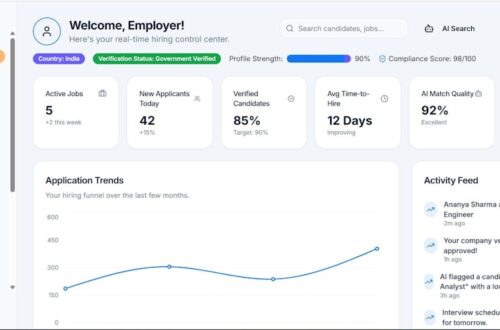
An HRMS is an integrated suite of software applications designed to manage human resources, payroll, talent, and other HR-related functions within an organization. It acts as a central hub for all employee data and HR processes, replacing disparate systems and manual paperwork with a unified, digital solution. The evolution of HR software has seen it grow from simple record-keeping tools to sophisticated platforms offering advanced analytics and employee self-service capabilities.
Brief History of HR Software
Initially, HR software focused primarily on payroll processing and basic employee record-keeping. The 1980s saw the rise of Human Resources Information Systems (HRIS), which began to integrate more functions. As technology advanced and the internet became ubiquitous, these systems evolved into HRMS, incorporating broader functionalities like talent management and self-service portals. Today, the latest iterations, often cloud-based, are known as Human Capital Management (HCM) suites, offering an even more holistic approach that includes strategic workforce planning and employee engagement tools. Regardless of the acronym, the goal remains the same: to optimize HR operations and support the workforce effectively.
Key Modules of an HRMS
A robust HRMS typically comprises several integrated modules, each addressing a specific HR function:
- Employee Data Management: Centralized database for all employee information, including personal details, job history, compensation, and emergency contacts. This is the foundation of any HRMS.
- Payroll Management: Automates salary calculations, tax deductions, benefits administration, and direct deposits, ensuring accuracy and compliance with financial regulations.
- Time and Attendance: Tracks employee work hours, leaves, and absences, often integrating with time clocks and biometric systems to ensure accurate record-keeping and compliance with labor laws.
- Recruitment and Onboarding: Manages the entire hiring process, from applicant tracking and resume screening to interview scheduling and seamless onboarding of new hires.
- Performance Management: Facilitates goal setting, performance reviews, feedback loops, and talent development plans to foster employee growth and productivity.
- Benefits Administration: Manages employee benefits programs, including health insurance, retirement plans, and other perks, simplifying enrollment and administration.
- Training and Development: Organizes and tracks employee training programs, certifications, and skill development initiatives.
The Core Benefits of Implementing HRMS
Implementing a modern HRMS can yield a multitude of benefits that extend beyond the HR department, impacting the entire organization’s efficiency, employee satisfaction, and strategic capabilities.
Streamlined HR Operations
One of the most immediate impacts of an HRMS is the automation of routine, time-consuming HR tasks. Manual data entry, paper-based forms, and repetitive administrative work are significantly reduced or eliminated. This frees up HR professionals to focus on more strategic initiatives, such as talent development, employee engagement, and workforce planning. For example, processing payroll for hundreds of employees can take days manually, but with an HRMS, it can be completed in hours, with greater accuracy.
Enhanced Employee Experience
An HRMS empowers employees through self-service portals. Employees can easily access their pay stubs, update personal information, request leave, view company policies, and enroll in benefits without needing HR intervention. This not only reduces the burden on HR but also gives employees a sense of control and transparency, leading to higher satisfaction and engagement. Imagine an employee needing to update their address; instead of filling out a form and waiting, they can do it instantly online.
Improved Data Accuracy and Reporting
With all HR data centralized in one system, accuracy significantly improves. The risk of errors from manual data entry or discrepancies across multiple spreadsheets is minimized. An HRMS also offers robust reporting and analytics capabilities, allowing HR and management to gain valuable insights into workforce trends, turnover rates, compensation benchmarks, and performance metrics. These data-driven insights are crucial for strategic decision-making and identifying areas for improvement. For instance, an HRMS can quickly generate a report showing departmental overtime costs or training completion rates.
Cost Savings and ROI
While an HRMS represents an initial investment, the long-term cost savings are substantial. Reduced administrative overhead, fewer errors in payroll and compliance fines, optimized resource allocation, and improved productivity all contribute to a significant return on investment. The efficiency gained by automating tasks means HR teams can do more with less, potentially delaying the need for additional headcount as the company grows.
Better Compliance and Risk Management
Navigating the complex landscape of labor laws, tax regulations, and industry-specific compliance standards is a major challenge for businesses. An HRMS helps ensure compliance by automating updates to tax codes, maintaining accurate records, and providing audit trails. This reduces the risk of penalties, legal issues, and reputational damage. For example, an HRMS can automatically flag potential compliance issues related to working hours or mandatory training, helping companies stay ahead of regulations.
Key Features to Look for in an HRMS
When selecting an HRMS, businesses should consider several critical features to ensure the system meets their current and future needs.
User-Friendly Interface
An intuitive and easy-to-navigate interface is paramount. If the system is difficult to use, employees and HR staff will be reluctant to adopt it, undermining its potential benefits. Look for clean designs, logical workflows, and clear instructions.
Scalability and Customization
The HRMS should be able to grow with your company. It should accommodate an increasing number of employees and adapt to evolving business processes. Customization options allow you to tailor the system to your specific organizational structure and unique HR policies.
Integration Capabilities
A truly effective HRMS doesn’t operate in a vacuum. It should seamlessly integrate with other essential business systems, such as accounting software, enterprise resource planning (ERP) systems, and even applicant tracking systems (ATS) or learning management systems (LMS) you might already be using. This prevents data silos and ensures a unified flow of information across the organization.
Robust Security Features
Given the sensitive nature of employee data, top-tier security is non-negotiable. Look for features like data encryption, multi-factor authentication, role-based access controls, and regular security audits. Compliance with data protection regulations (e.g., GDPR, CCPA) is also crucial.
Mobile Accessibility
In today’s mobile-first world, employees and managers need to access HR functions on the go. A mobile-responsive HRMS or a dedicated mobile app enhances accessibility and convenience, allowing tasks like leave requests, time clocking, or approval workflows to be managed from anywhere.
Implementing HRMS: Best Practices for Success
The success of an HRMS implementation hinges on careful planning and execution. It’s not just about installing software; it’s about managing change and ensuring user adoption.
Needs Assessment and Planning
Before selecting any HRMS, conduct a thorough needs assessment. Identify your organization’s specific HR challenges, pain points, and desired outcomes. Define your budget, timeline, and key stakeholders. This initial planning phase is critical to choosing the right system and setting realistic expectations.
Change Management and Training
Resistance to change is common. Develop a comprehensive change management strategy that includes clear communication, stakeholder involvement, and extensive training for all users—HR staff, managers, and employees. Highlight the benefits of the new HRMS for each user group to foster adoption.
Phased Rollout vs. Big Bang
Decide on an implementation strategy. A “big bang” approach involves launching all modules simultaneously, which can be faster but riskier. A phased rollout, introducing modules one by one, allows for adjustments and smoother transitions, though it may take longer. The best approach depends on your organization’s size, complexity, and risk tolerance.
Data Migration Strategy
Migrating existing HR data from old systems or spreadsheets to the new HRMS is a critical and often complex step. Develop a meticulous data migration plan, including data cleansing, validation, and testing. Ensure data integrity throughout the process to avoid issues post-implementation.
The Future of HRMS
The landscape of HR technology is continuously evolving, with exciting advancements on the horizon for HRMS platforms. Artificial intelligence (AI) and machine learning (ML) are set to play an even more significant role, enhancing predictive analytics for workforce planning, identifying potential flight risks, and personalizing employee experiences. Chatbots and virtual assistants within HRMS can handle routine employee queries, freeing up HR teams for more complex issues. Integration with wearable technology and IoT devices could provide deeper insights into employee well-being and productivity. The focus will increasingly shift towards creating hyper-personalized, intelligent, and proactive HR solutions that not only manage but also anticipate and nurture human capital.
Conclusion
A modern HRMS is far more than an administrative tool; it is a strategic imperative for businesses aiming to thrive in the contemporary landscape. By centralizing data, automating routine tasks, and providing actionable insights, an HRMS empowers HR departments to become strategic partners in driving organizational success. It enhances the employee experience, ensures compliance, and ultimately contributes to a more efficient, productive, and engaged workforce. For any organization looking to optimize its human resource functions and unlock its full potential, investing in and effectively implementing an HRMS is a decision that pays dividends across every facet of the business. Embrace the power of HRMS to transform your HR operations and build a resilient, future-ready enterprise.
Photo by Christina @ wocintechchat.com M on Unsplash.